1,8-Cineole

Eucalyptol is a cyclic ether and a monoterpenoid. It is identified and ascribed the name eucalyptol in 1870 by F. S. Cloez. It is a natural organic compound that is a colorless liquid, also known by various names like 1,8-cineol, cajeputol, 1,3,3-trimethyl-2-oxabicyclo[2,2,2]octane, 1,8-oxido-p-menthane,  1,8-epoxy-p-menthane,  eucalyptole , eucalyptol, and cineole.

The name eucalyptol was given to it based on the dominant portion of Eucalyptus globulus oil. The constituent Eucalyptol is seen in 90 percent of the essential oil in most species of Eucalyptus oil. It’s component is majorly constituted of 1,8 cineole syn eucalyptol and monoterpenes, and hence it gets its’ name Eucalyptol.

1,8-Cineole  is also found in Common Sage,  Bay leaves, Camphor laurel, Tea tree, Sweet basil, Wormwood, Mugwort, Rosemary, Cannabis sativa and other aromatic flora.

Therapeutic Properties of 1,8-Cineole:

1,8-Cineole finds itself serving multiple therapeutic purposes such as  analgesic, anti-inflammatory, antibacterial, airborne antimicrobial, antioxidant, antiviral, mucolytic, hypotensive, antispasmodic and it also increases the cerebral blood flow.

1,8-Cineole & Its Uses:

Flavoring and Fragrance:

A report in 1994 stated that the top cigarette companies used eucalyptol as an ingredient in about 599 additives in cigarettes, to improve the flavor. Cineole-based eucalyptus oil is used as a flavoring in various products, including beverages, confectionery, baked goods, and meat products, owing to its pleasant spicy aroma and taste. 1,8-Cineole is also used in flavorings, fragrances, and cosmetics.1 8-cineole

Remedial benefits of 1,8-Cineole:

In the areas of medicine, 1,8-Cineole is widely used as an ingredient in many popular brands of cough suppressant, mouthwashes, and as well as an inactive ingredient in body powder. It serves well in treating system related disorders as mentioned below.

Digestive system: 

A study conducted in 2010 with details from the Aromatherapy Journal of the NAHA states that Eucalyptol does play a crucial role against Candida and fungi. It is seen to restrict the filamentation in fungi, and is also effective on intestinal parasites that cause diarrhea.

It’s does exhibit anti-fungal activity on candida albicans.  When the leaves of Eucalyptus globulus were taken internally during an experiment with diabetic rats, Candia albicans and its proliferation were inhibited.

Musculoskeletal system: 

It can be used in the treatment of arthritis, rheumatism, muscular aches and pains, sprains and plantar fasciitis. Studies suggest that both analgesic and anti-inflammatory activity, were projected by Eucalyptus globules and Eucalyptus citriodora.

Immune System:

The Aromatherapy Journal (2010) of the NAHA indicates, “Eucalyptus globules was able to instinctively put into action a cell-meditated immune response, making it actively function as a immuno-regulatory agents which can be used in infectious diseases, and in chemotherapy, as adjuvant in immuno-suppressive pathologies.”

Respiratory system: 

1,8-Cineole is indicated in several respiratory conditions right from sinusitis, asthma, acute bronchitis and chronic bronchitis. It is also preferred in the treatment of sore throat and infections such as laryngitis, for its antiseptic qualities.

It is also used to clear the head especially when used in a combination of Peppermint and Rosemary under conditions of nasal congestion, coughs, cold, flu and pertussis.

1, 8-cineole is seen to provide positive responses even under the conditions of severe respiratory illnesses such as lung function parameters during the treatment of COPD and the common cold.

Eucalyptus globules have been identified to create positive battling effects on bacterial strains which have been isolated from respiratory infections. It has been proved effective for its growth restraining activity against bacterial strains including Haemophilus influenzae, Streptococcus pyogenes, H. parainfluenzae, S. pneumoniae, Stenotrophomonas maltophilia and Staphylococcus aureus.

Skin: 

For the skin, 1,8-Cineole is used in the treatment of shingles, herpes simplex, measles, acne, chickenpox, ulcers, wounds, boils, burns, cuts. The National Association for Holistic Aromatherapy Journal concurs, “bacteriostatic and bactericidal activity was extensively displayed by 1,8 cineole”.

Insecticide and repellent

Eucalyptol is used as an insect repellent and as an insecticide. This oil is said to elevate territorial behavior and specifically attracts the male bees. This was done so these males would periodically leave their territories to forage for chemicals such as cineole, to attract and mate with females, to synthesize pheromones.

Reference Links:

  1. 1,8-Cineole by Wikipedia
  2. About Eucalyptus globulus and 1,8 cineole by The School for Aromatic Studies
  3. Eucalyptus globulus & 1, 8 cineole – Seasonal Self Care Issue by The National Association for Holistic Aromatherapy Journal

Jatamansi Oil

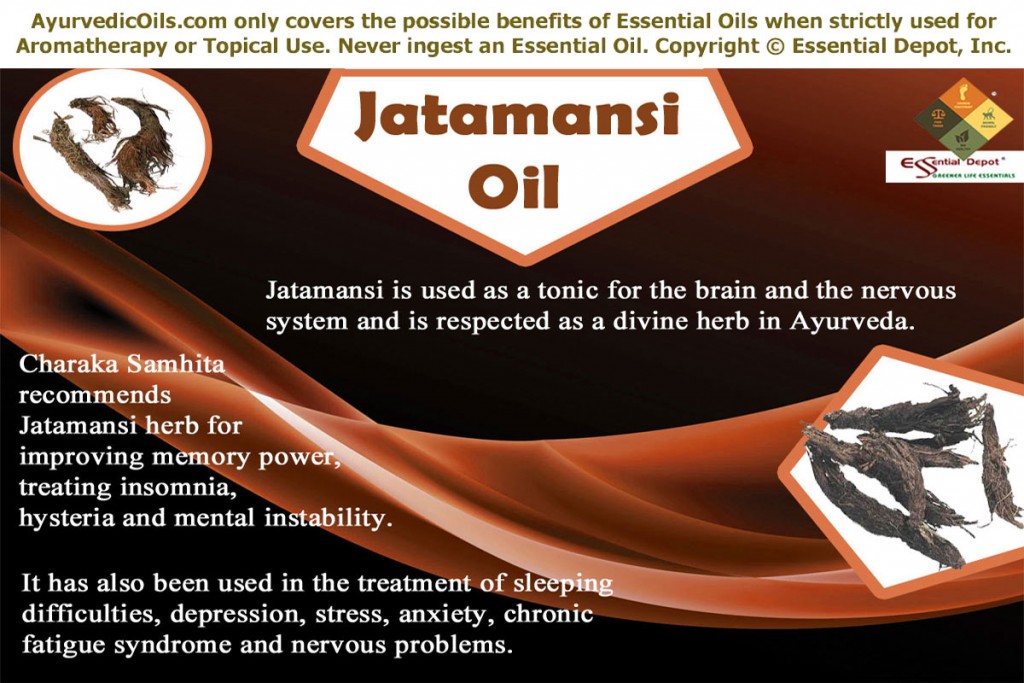
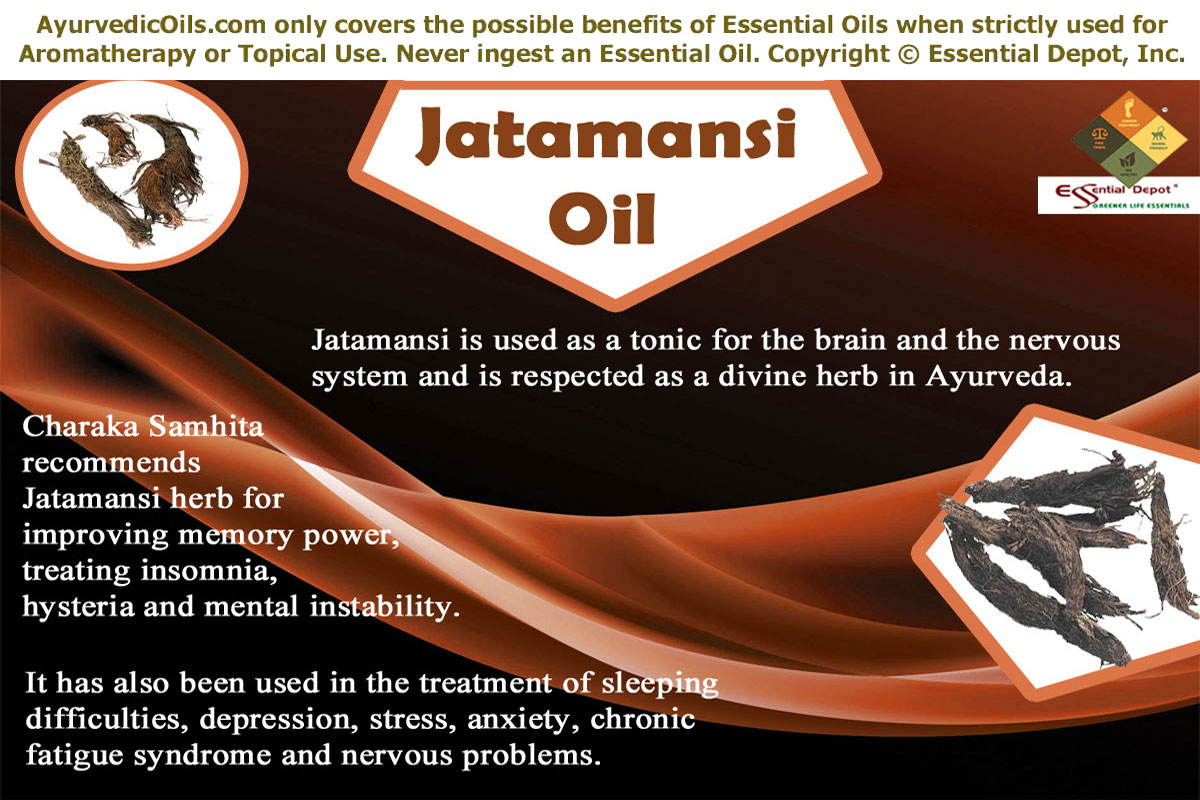
Jatamansi-bannerRespected as a divine herb in Ayurveda, Jatamansi is used as a tonic for the brain and the nervous system. It has been suggested by numerous Ayurvedic texts for treating sleeping troubles, depression, stress, anxiety, chronic fatigue syndrome and nervous problems.

Charaka Samhita, the celebrated Ayurvedic Encyclopedia recommends Jatamansi herb for improving memory power, treating insomnia, hysteria and mental instability. Scientifically known as Nardostachys jatamansi, this herb is known as Balchara or Mamsi in Ayurveda and is also known by other names like Indian Spikenard, Nardus root, Jaila, Musk root, Nardin and Nard.

Purchase Jatamansi Oil – Wholesale – CLICK HERE

Historical uses of Jatamansi and its essential oil:

Indigenous to the Himalayas, Jatamansi grows up to 1 m at an altitude of 3,000 to 5,000 feet. This plant bears red, pink or blue color flowers and has been used in various traditional medicines for its medicinal and aromatic rhizomes.

There are many Biblical references of this herb and it is used to represent St. Joseph in the Catholic iconography. It is mentioned in the New Testament where Mary, the sister of Lazarus uses a pint of pure Jatamansi oil to anoint the holy feet of Jesus Christ. It is also noted in the Song of Solomon as nard and is included in the coat of arms of Pope Francis in reference to St. Joseph.

Jatamansi oil was an important part of the Ayurvedic tradition since the primordial times where the medicated oil is known to cure insomnia, digestive problems, epilepsy, hysteria, weak mental health, improper blood circulation and as a tonic to the entire system. This herb was used as a diuretic and as a herb for the heath of heart and liver in Unani medicine.

The powdered rhizomes of Jatamansi were taken internally to treat hepatitis, infertility, menstrual disorders, cleanse the uterus, mental agitation, enhance the appetite and helpful in the treatment of Parkinson’s and Alzheimer’s disease.

Jatamansi was also used by renowned Physicians like Dioscorides and Apicius. The Persian and Arabian Physicians praised this herb as Sumbul-i-Hindi. The medicated Nard oil was offered on the precious incense altar when Tabernacle was positioned in the First and Second temples of Jerusalem.

Spikenard or Jatamansi was also used as a flavoring agent in the ancient Roman cuisines and as a seasoning in the Medieval European food varieties. It is used in making attars, perfume (L’eau De Jatamansi), incense sticks, hair care products and numerous beauty products. Jatamansi is also used along with certain other herbs in Vedic prayers performed with fire since the ancient period.

Therapeutic properties and chemical constituents of Jatamansi oil:

The principal constituents of Jatamansi oil are valeranone, nardostachone, bornyl acetate, jatamansinol, dihydrojatamansin, isobornyl, terpineol, jatamansinone, tetramenthyloxatricylodecanol, oroselone, aromadendrene, Menthylthymyl-ether, nardosinone, seselin, nardostachyin, valeranal, cineol-1,8, spirojatamol and jatamansic acid and few other coumarins. The remedial properties of this oil are nervine, antiseptic, diuretic, laxative, anti-inflammatory, tonic, anti-pyretic, deodorant, fungicidal, sedative, anti-depressant and calmative.

Ayurvedic health benefits of Jatamansi essential oil:

Ayurveda is a righteous science that trusts that every creature on earth is a part of nature and it believes that one’s illness and wellness depends upon their balance or imbalance with nature. Ayurvedic texts strongly state that human body is a temple where the spirit dwells in, so it is very important to keep the body, mind and spirit clean and composed just like preserving a place of worship.

Ayurveda is called as a holistic healing methodology as it approaches health as being mentally, physically, emotionally and spiritually fit. It is for this reason; Ayurvedic physicians recommend herbs, essential oils, yoga, physical exercises, balanced diet, meditation, Ayurvedic routine and prayers to keep one hale and hearty.

Every individual is treated in a unique manner even if they are affected by the same illness because the theory of Ayurveda identifies every human being as a unique part of nature and as a distinct creation with a unique individual constitution. This constitution is built up of three major bio-energies known as doshas. They are vata, kapha and pitta. These doshas govern various functions of our body and imbalance of these energies cause sickness.

Each and every human being has a predominance of any one these Ayurvedic body types that determine their personality, physique, mental attributes, behavior and preferences. Ayurvedic remedies aim at balancing the dosha imbalances as perfect balance between these doshas are a clear sign of healthy and heartiness.

Jatamansi is a promising Ayurvedic remedy that has the potent to pacify all the three doshas, especially pitta and kapha energies.

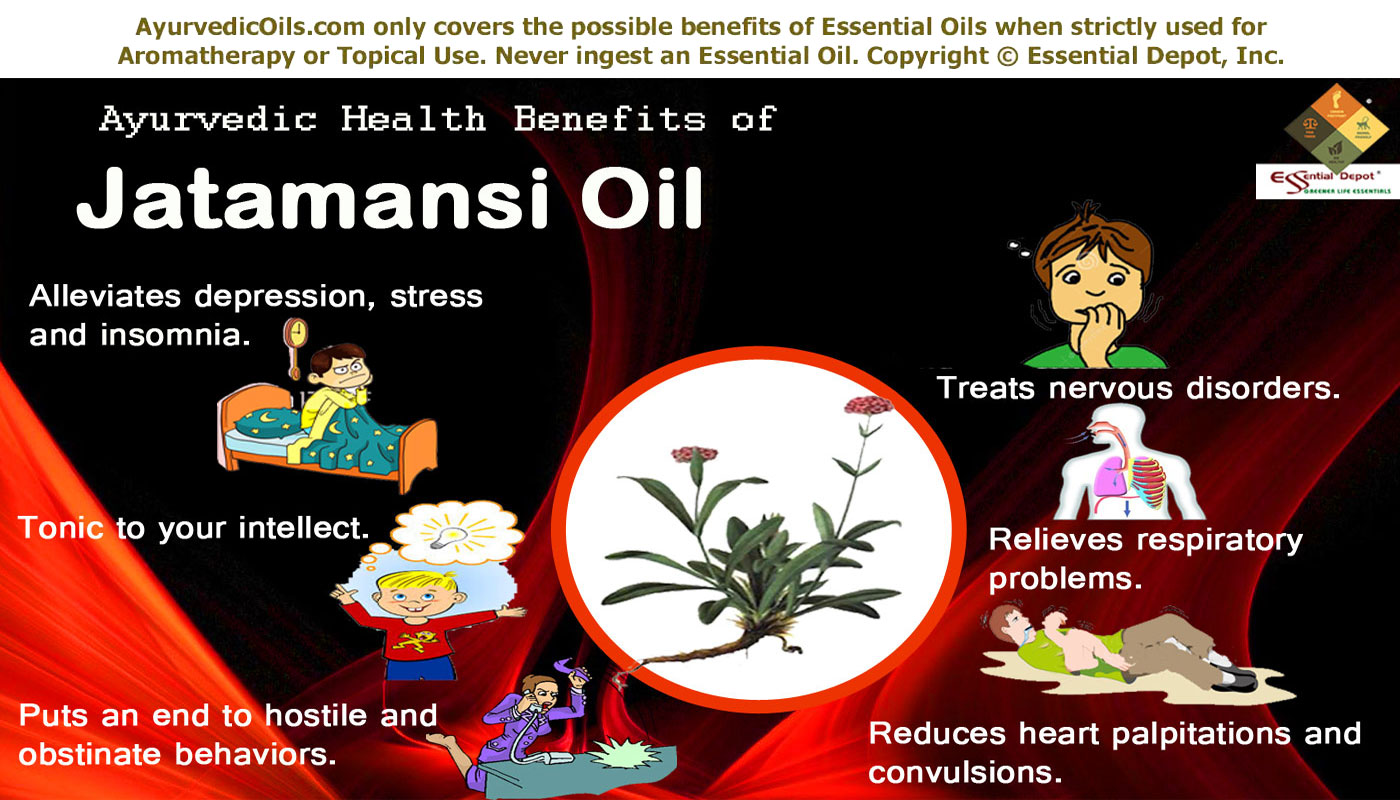
And it’s time to look at the amazing Ayurvedic health benefits of Jatamansi essential oil.jatamansi-broucher-11. Alleviates depression, stress and insomnia:
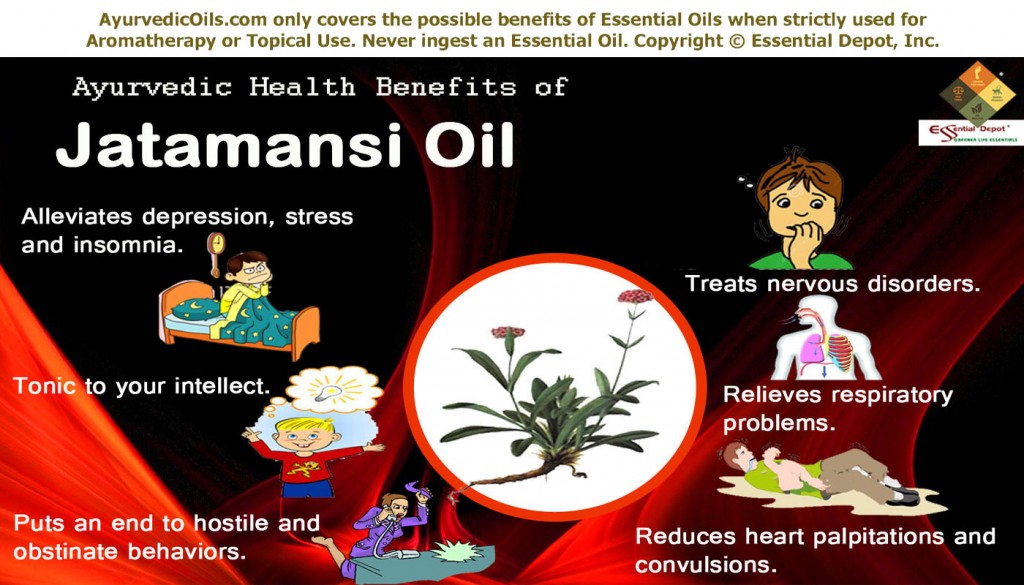
The rhizomes of Jatamansi herb have strong anti-depressant properties that calms the mind, relaxes the body and grants absolute peace to the entire system. 2 drops of Jatamansi oil added to your diffuser, burner, vaporizer or to bathing water is said to alleviate depression, chronic stress, anxiety, insomnia and tension.

Blend 5 drops of this oil with 2.5 ml of sesame oil and massage your body for relieving from chronic fatigue syndrome, nervous headache, negative feelings, sleeping difficulties, lack of self-confidence and sluggishness. Jatamansi is loved as a herb for the mind and emotions with its anti-depressant, anti-stress and antioxidant properties that help in lessening oxidative stress thus mitigating chronic fatigue syndrome.

Since the traditional times, several studies have proved the effectiveness of Jatamansi as a promising de-stressing and sedative agent by increasing the rest time. A 2012 study on ‘Nardostachys jatamansi protects against cold restraint stress induced central monoaminergic and oxidative changes in rats’ stated that this herb has potent anti-stress qualities representing its therapeutic significance in disorders related to stress.

A 2008 study on ‘Inhibition of MAO and GABA: probable mechanisms for antidepressant-like activity of Nardostachys jatamansi DC. in mice’ revealed that the ethanolic extracts of Jatamansi emerges to be a potent anti-depressive means when compared to reference drugs like Sertaline and Imipramine in decreasing depressive signs in mice. This study also state that “the extract may have potential therapeutic value for the management of mental depression.”

2. Tonic to your intellect:

Jatamansi and its essential oil have been used in many Ayurvedic preparations as a neuro-protective agent and brain tonic for improving memory power, cognitive performance and thinking capacity. It has been trusted to promote intellectual power, improve mental weaknesses, instability and mental sluggishness.

A 2006 study on ‘Nardostachys jatamansi improves learning and memory in mic’e by Joshi and Parle, Department of Pharmacognosy, College of Pharmacy, India proved that Jatamansi extracts significantly enhanced memory power and learning in both aged and young mice.

This study also reiterates the clinically proven use of Jatamansi herb in Ayurveda as an antioxidant, anti-ischemic, neuro-protective and anticonvulsant agent and it also states that Jatamansi can also be used as a memory uplifting agent in the healing of dementia in elderly people.

You can wear 1 drop of Jatamansi oil on your wrist, handkerchief or a tissue paper at the time of studying or in your room whenever you feel like refreshing your mind power. You can also add 2 drops of this oil in air freshener, diffuser, burner or vaporizer for adding muscles to your brain power and intellect.

3. Puts an end to hostile and obstinate behaviors:

The essential oil of Jatamansi has calming, soothing, cooling, restoring and relaxing qualities that assist in holding back the burning sensation of the mind and body. Being a natural coolant that calms pitta or the fire energy, Jatamansi essential oil can work wonders in controlling your negative emotions like anger, aggressiveness, stubborn behaviors, tension and intimidating attributes.

Adding 2 drops of Jatamansi oil in warm bathing water or in your diffuser or aromatic lamp can effectively control resentment by tranquilizing your mind and body. You can also opt for a calming massage by blending 5 drops of Jatamansi oil with 2.5 ml sesame oil.

4. Treats nervous disorders:

Jatamansi is held high in Ayurveda as a powerful neuro-protective agent that calms vata energy, clears pitta force and decreases kapha dosha. By this way, Jatamansi nourishes and cools the worn out and burning nervous system.

It aids in treating various nervous disorders along with bipolar disorders, delusions and certain other psychological problems. Jatamansi have been clinically proven effective since the primeval period in the treatment of epilepsy, insomnia, Parkinson’s disease, nervous breakdown and hysteria.

Abhyanga or the art of Ayurvedic massaging is the best method to use Jatamansi for treating nervous disorders. Mix 5 drops of Jatamansi oil with 2.5 ml of coconut oil and massage it gently on the affected parts. The deep penetrating quality of this oil supports in improving nervous problems.

5. Relieves respiratory problems:

Jatamansi oil has the potent to reduce kapha energy, the excess of which is responsible for the creation of mucus and phlegm. This oil assists in expelling the excess mucous deposits and phlegm accumulated in the chest, nasal passages and respiratory tract.

Adding 2 drops of Jatamansi oil to 1ml of coconut oil or your cold rub and massaging it on your throat, back and chest can aid in opening up blocked nasal passages, clear chest congestion, treat cough and cold, spasmodic cough, asthma, whooping cough and sinusitis. You can also add 2 drops of this oil in steam inhalation for quick relief from respiratory troubles.

6. Reduces heart palpitations and convulsions:

Palpitations of the heart are caused when vata energy shoves pitta dosha and leads it to rush through the channels characterized by unnoticed skipped beats, increased heart rate, breathing difficulty and dizziness.

The oil of Jatamansi is used in the treatment of palpitations of the heart and convulsions mainly because of its anti-convulsive and anti-arrhythmic activity. 2 drops of Jatamansi oil added to warm foot bath or bathing water or gently massaged on the affected area after blending it with 1 ml olive oil can ease tension and grant relief from convulsions and palpitations.

Other health benefits:

Jatamansi is indeed a miraculous part of nature that has innumerable healing properties ingrained in it. The essential oil of Jatamansi has been used as a uterus stimulant for promoting menstruation, cleansing the uterus, treating dysmennorhea and inflammation of the uterus. It was also used as an aphrodisiac in treating impotence and seminal debility. It is also known for promoting the growth of hair, retain its natural color and slow down the process of graying.

Jatamansi oil is a natural antiseptic that assists in healing wounds, eczema, burns, rashes, allergies and certain other skin infections due the infestation of microbes like bacteria and fungi. It is also effective in the treatment of renal colic, liver enlargement, hepatitis, jaundice, pancreatitis, fever and lung problems.

Disclaimer:

This article is only for the purpose of information and is not destined to substitute any professional medical advice or prescribed medication. Never take essential oils internally and use it topically in a diluted form only, as organic and pure essential oils are highly concentrated liquids and can harm you if used in a concentrated form. Remember to consult your Ayurvedic practitioner before using the appropriate essential oil for your health condition and unique individual constitution.

Thought for the day:

Change your opinions, keep to your principles; change your leaves, keep intact your roots.     -Victor Hugo

Suggested Reading:

  1. Ayurvedic Herbs: A Clinical Guide to the Healing Plants of Traditional Indian Medicine by Virginia M Tyler, M.S. Premila
  2. THE COMPLETE BOOK ON JATROPHA (BIO-DIESEL) WITH ASHWAGANDHA, STEVIA, BRAHMI & JATAMANSI HERBS (CULTIVATION, PROCESSING & USES) by NIIR BOARD OF CONSULTANTS AND ENGINEERS
  3. Healing Depression the Mind-Body Way: Creating Happiness with Meditation, Yoga, and Ayurveda by Nancy Liebler, Sandra Moss
  4. The Chopra Center Herbal Handbook: Forty Natural Prescriptions for Perfect Health by David Simon M.D., Deepak Chopra M.D.
  5. Ayurveda & Aromatherapy: The Earth Essential Guide to Ancient Wisdom and Modern Healing by Dr. Light Miller, Dr. Bryan Miller

Reference Links:

  1. Spikenard (Nardostachys jatamansi) by Wikipedia
  2. Nardostachys jatamansi by Examine.com
  3. Benefits of Jatamansi by Ayurveda Yogashram
  4. Inhibition of MAO and GABA: probable mechanisms for antidepressant-like activity of Nardostachys jatamansi DC. in mice by Dhingra D, Goyal PK, Department of Pharmaceutical Sciences, Guru Jambheshwar University of Science and Technology, India published in PubMed
  5. Nardostachys jatamansi protects against cold restraint stress induced central monoaminergic and oxidative changes in rats by Lyle N, Chakrabarti S, Sur T, Gomes A, Bhattacharyya D, Department of Pharmacology, Institute of Post Graduate Medical Education and Research, India published in PubMed

Kappor Katcheri Oil

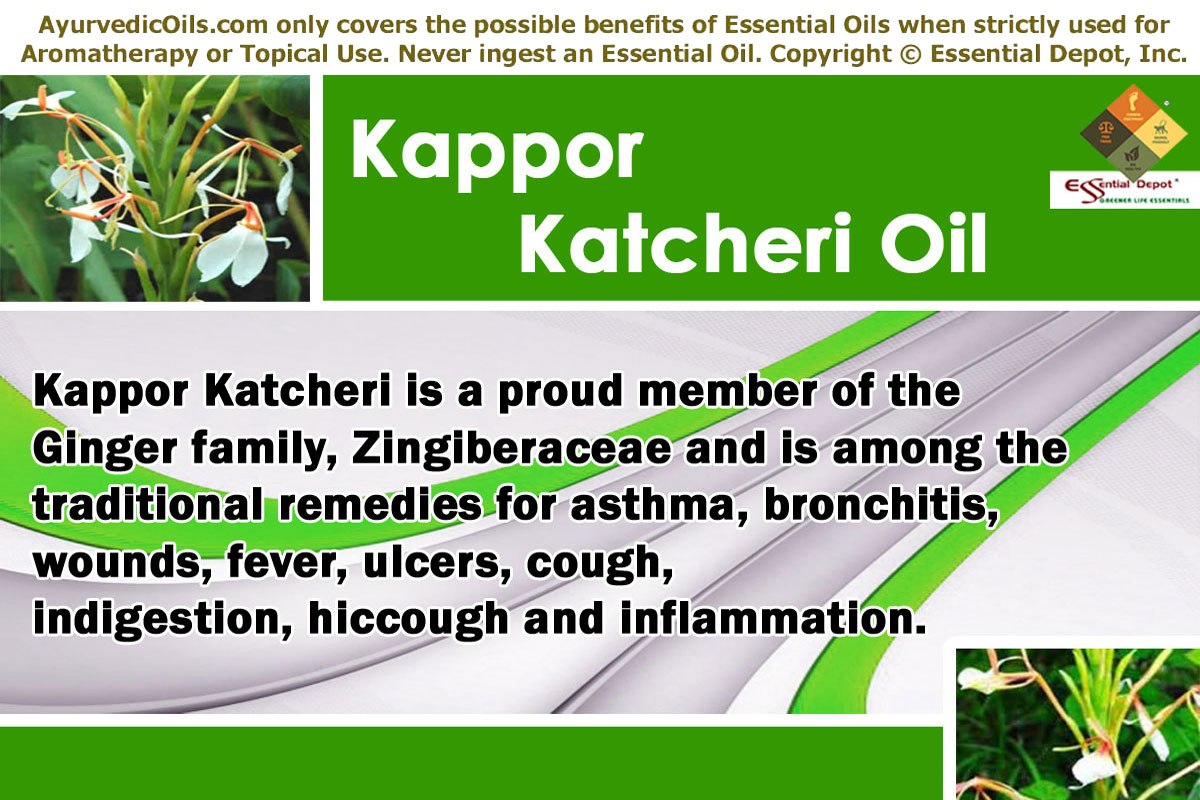
Kapoor-katcheri-bannerKnown as Shati in Ayurveda, Kappor Katcheri herb and the essential oil extracted from the rhizomes of this plant through steam distillation process has been in use traditionally for treating respiratory problems (like bronchitis and asthma), wounds, fever, ulcers, cough, indigestion, hiccough, inflammation and certain other eye problems.

Kappor Katcheri is a Hindi name and is scientifically called as Hedychium spicatum. It is a limb of the Ginger family Zingiberaceae. It is a small hardy ginger with bright and large white and orange flowers and is indigenous to the subtropical Himalayan regions in India at an altitude of 1000 to 3000 m.

Purchase Kappor Katcheri Oil – Retail – 4 oz – CLICK HERE

Purchase Kappor Katcheri Oil – Wholesale – CLICK HERE

Historical uses of Kappor Katcheri:

The aromatic and herbaceous rhizomes of Kappor Katcheri herb has been used in various traditions for treating numerous health conditions. The Ayurvedic healing system use this herb for curing respiratory problems, poor blood circulation, indigestion, wounds and inflammation. It was used as a natural remedy for treating diarrhea, vomiting, snake bite, fever and inflammation in the Traditional Chinese Medicine.

Kappor Katcheri was used in the Tibetan medicine for its heating potency and acrid taste and was also used as an effective insect repellant. Known as Sanna in Japan, the rhizomes of this plant are also used in preparing Attar Ekangi in India.

Therapeutic properties and chemical constituents of Kappor Katcheri oil:

The major chemical constituents present in Kappor Katcheri essential oil are limonene, cineole, terpinene, linalool, p-cymene, terpeneol and phellandrene. These components contribute to its remedial properties like antioxidant, antifungal, hypoglycemic, in vitro pediculicidal, spasmolytic, cytotoxic, tranquilizer, CNS depressant, febrifuge, anti-inflammatory, anthelmintic, analgesic, antispasmodic, hypotensive, vasodilator and antimicrobial.

Ayurvedic health benefits of Kappor Katcheri oil:

Ayurveda is the oldest of all healing methodologies on earth dating back to more than 5,000 years. This ancient science aims at educating humanity about the natural remedies in treating illnesses, ways to prevent sickness and pass towards healthy aging.

The Ayurvedic Physicians like Charaka, known as the Father of Medicine and Sushruta called as the Father of Surgery have enlisted almost all the possible natural remedies for a wide range of illnesses in the Ayurvedic encyclopedias well-known as Charaka Samhita and Sushruta Samhita respectively.

These ancient treasures talk about all types of healing herbs on earth and their effectiveness in curing various illnesses. According to these books, Kappor Katcheri is an excellent remedy for treating respiratory illnesses like asthma and bronchitis.

Along with herbs, Ayurvedic treatments include the use of essential oils, practicing healthy and balanced diet, Ayurvedic routine, meditation, physical exercises and yoga. Every human being is a unique part of nature according to Ayurveda and it suggests that the treatment should also be unique according to an individual’s constitution even for the same illness.

This constitution is made up of three vital bio-energies known as doshas that is vata, pitta and kapha. Every one of us will have a predominance of any one of these doshas that determines our health, personality and behavioral attributes.

Balance between these doshas indicates good health and imbalance between these doshas symbolize illness. Ayurvedic medications are prescribed in such a way that it treats dosha imbalances. Kappor Katcheri essential oil lessens pitta and kapha dosha and aggravates vata dosha.

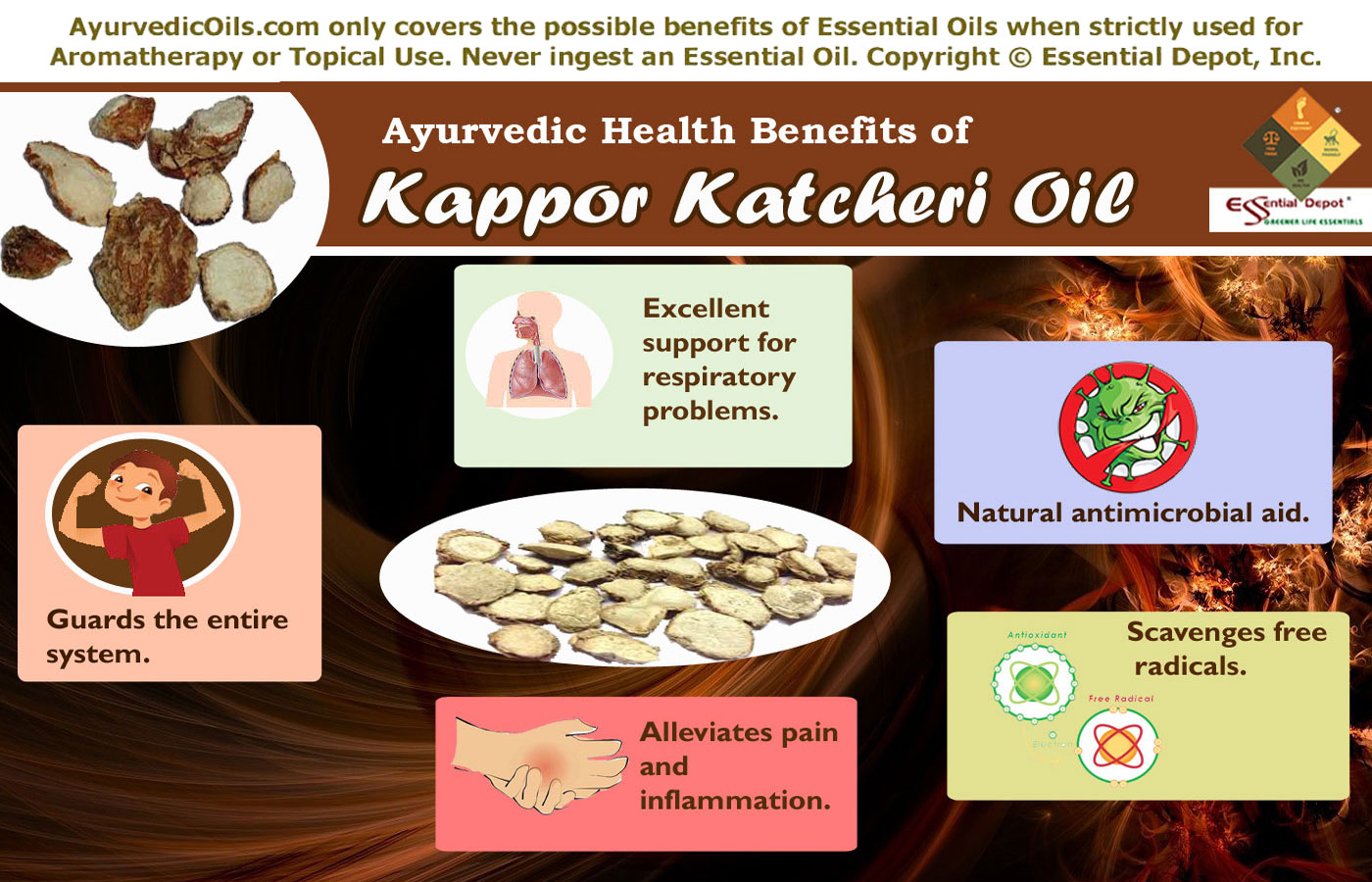
The Ayurvedic health benefits of Kappor Katcheri oil are:

Kappor-katcheri-broucher1. Excellent support for respiratory problems:

The powdered rhizomes of Hedychium spicatum has been used clinically and in the traditional healing system for treating respiratory problems like respiratory inflammatory conditions including asthma, bronchospasms and bronchitis. It has also been proved effective in treating cough, cold, headache, fever, sinusitis and certain other breathing difficulties.

A 2012 study on ‘Pharmacological evaluation of extracts of Hedychium spicatum (Ham-ex-Smith) rhizome by Shivani Ghildiyal, Manish K. Gautam,Vinod K. Joshi, and Raj K. Goel’ states that the rhizomes of Hedychium spicatum has been reported to contain antiasthmatic, anti-inflammatory, vasodilator, hypotensive, spasmolytic and hypoglycemic properties.

Based upon various animal studies on mouse and Guinea pigs, this study concluded that the rhizomes of H. spicatum has anti-histaminic, bronchodilator, analgesic, anti-inflammatory activities that are essential to soothe pain, inflammation, asthma, bronchoconstriction and other respiratory problems.

Heat 2 drops of Kappor Katcheri oil with 1 ml of coconut oil and apply it on the throat, chest and back or add 2 drops of this oil in steam inhalation for relieving from congestion, bronchial spasms, asthma, cough and breathing difficulties.

The spicy and camphoraceous aroma of this oil along with its chemical constituents like terpinene and cineole have been proved as powerful analgesic and anti-inflammatory agents that assist in treating respiratory problems since the ancient times.

2. Natural antimicrobial aid:

The rhizomes and the essential oil of Kappor Katcheri herb are said to exhibit inhibitory activity against numerous Gram positive and Gram negative bacteria including Staphylococcus aureus and against few other fungal cultures according to a 2006 study on ‘Antimicrobial activity of Hedychium spicatum.’

Bacteria, fungi and certain other micro organisms are responsible for numerous health problems. These organisms damage the cells and weaken the immune system while making the body susceptible for diseases.

As a natural antimicrobial agent, Kappor Katcheri essential oil comes to your rescue when there’s a need to keep micro organisms at bay. Add 2 drops of this oil in warm bathing water to prevent and protect you from microbes. You can add 1 drop of Kappor Katcheri oil with 10 drops of coconut oil and apply it on wounds, ringworm, acne, cuts, athlete’s foot, nail infections and other skin allergies for visible results.

3. Scavenges free radicals:

Kappor Katcheri oil has antioxidant properties that assist in scavenging free radicals, which are known as reactive molecules engaged in numerous physiological processes and human illnesses like arthritis, cancer, ischemia, alcoholism, ageing, liver injuries and certain other toxin induced reactions.

A 2011 study on the ‘Antioxidant activity of Hedychium spicatum Buch.- Ham. Rhizomes’ by T Sravani and Padmaa M Paarakh, Department of Pharmacognosy, The Oxford College of Pharmacy, India published in the Indian Journal of Natural Products and Resources demonstrated that the rhizomes of Hedychium spicatum plant possess strong antioxidant activity.

You can use the essential oil extracted from these rhizomes as bath oil by adding 2 drops of Kappor Katcheri oil to your bath tub or by using it in massage by blending 4 drops of Kappor Katcheri oil with 2 ml of sesame oil for combating the effects of free radicals.

4. Alleviates pain and inflammation:

Kappor Katcheri oil possesses analgesic, anti-inflammatory, spasmolytic and tranquilizer effects that aid in treating pain, inflammation, arthritis and rheumatic problems. Blend 2 drops of Kappor Katcheri oil with 1 ml of sesame oil and massage on the affected area or add it in hot or cold compress to relieve pain, inflammation, spasms and irritation. When applied to the painful parts this blend will cause numbness and reduce your pain gradually.

5. Guards the entire system:

Apart from these major uses, Kappor Katcheri oil is known for its effectiveness in treating gastric ulcer, fever, intestinal infections, abdominal pain, blood purification, eye diseases and hypertension.

Disclaimer:

This article is only for the purpose of education and is not meant to replace any prescription medicine or professional advice of a medical expert. Do not use essential oils internally. Always use essential oils in a diluted form as pure and organic essential oils are highly concentrated liquids and can cause harm if used directly on skin.

It is advisable to do a patch test on your skin before using essential oils to test its suitability to your skin condition. Consult your Ayurvedic practitioner regarding the use of best essential oils for your unique health condition and individual constitution.

Thought for the day:

Every flower is a soul blossoming in nature. -Gerard De Nerval

Suggested Reading:

  1. Identification of Chemical Constituents of Plant Hedychium Spicatum: Methods for Phytochemical analysis and standardization by Alok Pratap Singh
  2. Evaluation of CNS potential of Hedychium spicatum: Rhizome Extract by Versha Parcha, Vichitra Kaushik, Arun Kumar
  3. Hardy Gingers: Including Hedychium, Roscoea, and Zingiber by T. M. E. Branney
  4. Paradise Found: Growing Tropicals in Your Own Backyard by Norman Winter

Reference Links:

  1. Pharmacological evaluation of extracts of Hedychium spicatum (Ham-ex-Smith) rhizome by Shivani Ghildiyal, Manish K. Gautam,Vinod K. Joshi, and Raj K. Goel published in PubMed
  2. Antioxidant activity of Hedychium spicatum Buch.- Ham. Rhizomes by T Sravani and Padmaa M Paarakh, Department of Pharmacognosy, The Oxford College of Pharmacy, India published in the Indian Journal of Natural Products and Resources
  3. Hedychium spicatum – Buch.-Ham by Plants for a Future
  4. Antimicrobial activity of Hedychium spicatum by G.S. Bhist, A.K. Awasthi, T.N. Dhole, Department of Microbiology, Sanjay Gandhi Post Graduate Institute of Medical Sciences, Lucknow, India published in ScienceDirect