Balsam Peru Oil

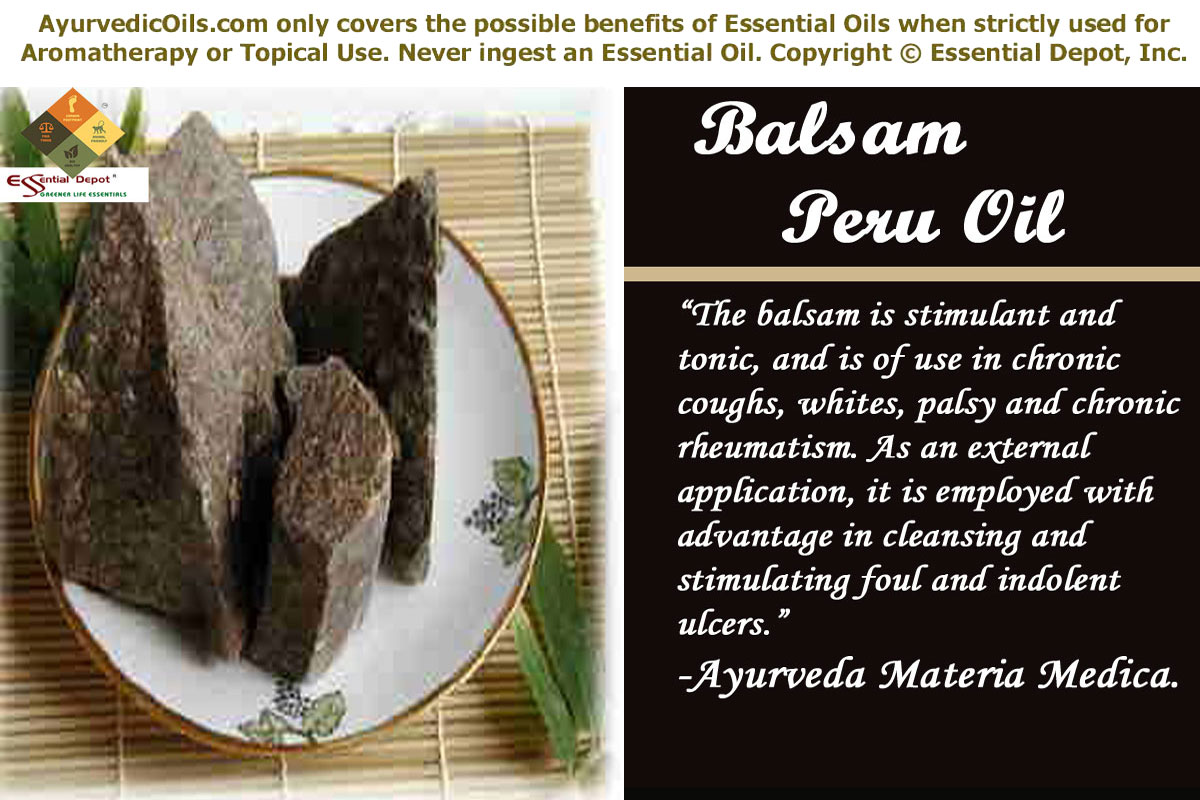
Balsam-peru-banner“The balsam is stimulant and tonic, and is of use in chronic coughs, whites, palsy and chronic rheumatism. As an external application, it is employed with advantage in cleansing and stimulating foul and indolent ulcers”, quotes the book Ayurvedic Materia Medica for domestic use by Thomas John Graham.

Also called as Peruvian balsam, the essential oil and the balsam as such are being used in the field of Complementary and Alternative medicine like Ayurveda and Homeopathy as well as in Modern medicinal practices.

With its decongestant, antiseptic, antibacterial, antifungal and anti-rheumatic properties, Balsam Peru is prescribed in Ayurvedic medicine for treating bronchial asthma, whooping cough, bruises, bed sores, burns, eczema, respiratory infections, tuberculosis, headache, fever, diaper rashes, cold, scabies, ringworm and rheumatic conditions.

Purchase Balsam Peru Essential Oil – Wholesale – CLICK HERE

Historical uses and importance of Balsam Peru essential oil and its other extracts: This tree is scientifically called as Balsamum tolutanum. Balsam of Peru is the resin extracted from the tall tree that grows in Peru, Bolivia, Columbia, Venezuela, Paraguay, Brazil, Argentina and France.

Balsam Peru is also called by other names like Balsamum Peruvianum, Surinam balsam, Balsam fir oleoresin, Quina quina, Balsam Tolu, Toluifera pereirae, Indian Balsam, China oil, Myroxylon Balsamum, Balsams Peru, Myrosperum pereira balsam etc.

Initially, Peru was the major and largest exporter of Balsam oil and it was for this reason, this Balsam was called as Balsam of Peru. In recent times, Balsam of Peru is exported by various other major Balsam growing countries. This tree has a natural potential of producing resin, which is sticky in nature. Balsam of Peru is collected from Balsam trees that are roughly 20 years old by tapping method.

Balsam of Peru has been a part of the traditional healing methodologies for centuries together. It was used as a natural remedy for treating digestive disorders, headache, cold, cough, respiratory infections and certain skin problems. The Native American populace used the powder extracted from this tree as a deodorant.

Balsam of Peru and its essential oil has been a trusted remedy of the Europeans and other Asian folks for healing skin diseases like bedsores, ringworm, scabies, eczema, diaper rashes, wounds and itches. It is also used as an important ingredient in the manufacturing of female hygiene sprays, shampoos, insect repellents, topical salves, soaps, mouthwash, surgical dressings, skin care lotions and certain other fragrant ingredients.

Chemical constituents and remedial properties of Balsam Peru essential oil:

Studies have proved that the resin extracted from the Peruvian balsam tree consists of about 80% of cinnamic acid along with the presence of cinnamein. This is the reason for its vanilla and cinnamon like aroma. It’s essential oil is said to contain various volatile oils and the major components are benzyl cinnamate, benzyl benzoate, and nerolidol.

These components contribute to its remedial properties like antiseptic, antimicrobial, analgesic, anti-parasitic, expectorant, decongestant, antifungal, diuretic, antioxidant, deodorant, cicatrisant, anti-stress and anti-dandruff.

Ayurvedic health benefits of Balsam Peru essential oil:

The word ‘Ayurveda’ simply means ‘the knowledge of life’, where ‘Ayur’ stands for life and ‘Veda’ means knowledge. This oldest remedial system states that illness occurs when there is disharmony between an individual and nature.

Ayurvedic healing considers every human being as a unique part of nature with a unique individual combination. According to this philosophy ‘no two individuals are given the same medicine, even for the same disease’. The first Ayurvedic consultation aims at analyzing the unique individual constitution of a person, which comprises of three biological energies known as doshas. They are vata (air and space), pitta (fire and water) and kapha (water and earth).

These Ayurvedic doshas are nothing but a combination of the five vital elements of nature called as Panchamahabutas, namely fire, water, earth, air and space. Ayurveda states that every person has a prakriti (individual constitution), which is a combination of these doshas in a unique proportion with a predominance of any one of them.

This prevalence determines the character, personality, uniqueness and behavioral attributes of a person. Based upon these fundamental qualities, the unique Ayurvedic treatment methodology and remedies are prescribed. Ayurvedic writings reveal that the absolute balance between these doshas indicates perfect health and harmony with nature, whereas doshic imbalances lead to sickness.

The most notable Ayurvedic remedies include Ayurvedic essential oils, herbs, yoga, meditation, Pranayama or the art of balanced breathing, prayers, simple physical exercises, Ayurvedic routine, Abhyanga, and Panchakarma. With these remedies, Ayurveda focuses on treating the root cause of an illness instead of diagnosing its symptoms.

With its stimulating and invigorating properties, Balsam Peru essential oil has been recommended in Ayurveda for augmenting pitta dosha and pacifying kapha and vata dosha.

Let’s look at the Ayurvedic health benefits of Balsam Peru oil:
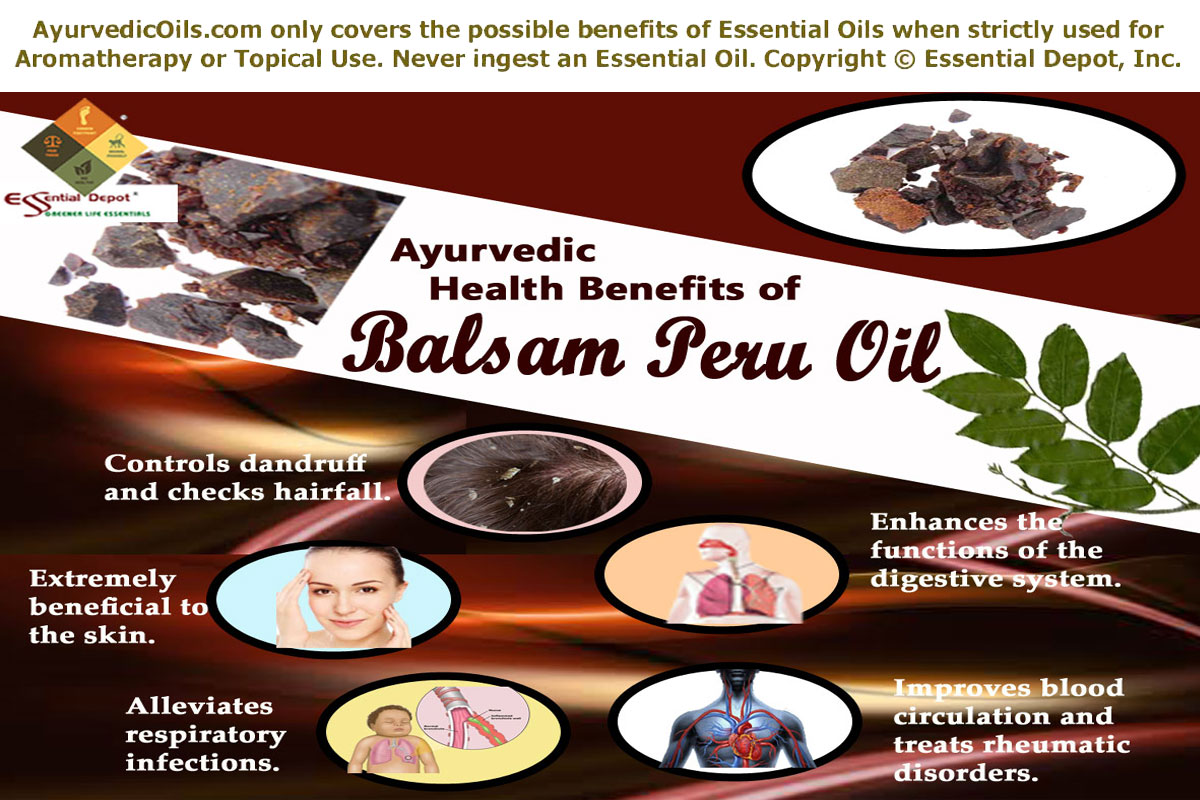
Balsam-peru1. Controls dandruff and checks hair-fall:

The essential oil of Balsam Peru has been used as an important ingredient in many hair care products including shampoos and conditioners for its antifungal, anti-parasitic and anti-dandruff properties. These remedial values help in clearing away dandruff, killing head lice and treating dry and itchy scalp conditions.

Massaging your scalp with 3 drops of Balsam Peru oil, 2 drops of Lemon oil and 2 drops of Rosemary oil along with 5 ml of Coconut oil can be of great assistance in nourishing your scalp, clearing away the itchy flakes on the head, repairing your damaged hair and act as a hair tonic. You can also add 2 drops of Balsam Peru oil to your regular shampoo and enjoy the richness of your shining hair, free from dandruff and head lice.

2. Extremely beneficial to the skin:

Balsam Peru oil is a time-honored skin care remedy that has been employed in the treatment of numerous skin problems including ringworm, bedsores, skin ulcers, wounds and diaper rashes. The antiseptic, antifungal, antioxidant and antimicrobial properties of this oil helps in quicker healing of wounds, combats the growth of microbes responsible for skin infections, and fights aging symptoms.

Blend 2 drops of Balsam Peru oil with 2 drops of Ylang Ylang oil and 2 drops of Lavender oil with 3 ml of Olive oil. Gently apply this blend on skin problems like eczema, scabies, wounds, ringworm, acne, athlete’s foot, chapped skin, rashes and wrinkles.

This natural skin tonic works like a wonder in treating fungal skin infections like ringworm and athlete’s foot with its anti-fungal properties; acne, rashes, wounds and eczema with its antimicrobial properties; wrinkles and dull lifeless skin with its antioxidant properties.

Bedsores generally occur in sick people who are bed-ridden. This includes especially the aged population with sensitive skin. Mixing 1 drop of Balsam Peru oil with 2 ml of Jojoba oil can reduce pain and help in promoting quicker healing of wounds. This blend can also be used externally on diaper rashes for babies as well as the aged.

3. Alleviates respiratory infections:

According to Ayurveda, amassing of toxic substances or ama in the system is a major cause for many illnesses including respiratory problems. It is a known fact that excess of kapha dosha (blend of water and earth elements) is responsible for diseases based on the surplus fluid deposits in the system causing respiratory infections, obesity, rheumatism, edema and other inflammatory conditions.

Balsam Peru oil has diuretic, expectorant and antimicrobial properties that aid in eliminating the excess fluid deposits in the system through urine and sweat, discarding phlegm and mucus secretions in the respiratory tract and arresting the growth of microbes that worsen respiratory problems. It has been used in the United States since 1800s as a respiratory aid and cough suppressant. Balsam of Peru was also used as an ingredient in cough syrups and lozenges.

2 drops of Balsam Peru oil along with 1 drop of Peppermint oil and 1 drop of Eucalyptus oil added to steam inhalation can help in relieving cold, sore throat, nasal congestion, headache, sinusitis, watery eyes, chronic cough, bronchitis, tuberculosis, asthma and inflammation of the pharynx.

Gently rubbing your throat, chest, back and forehead with 2 drops of Balsam oil along with 1 drop of Tea tree oil mixed with your vaporizing ointment can help in relieving sore throat, bronchial congestion, blocked nasal passages, chest congestion, headache, sinusitis and drowsiness due to cold and other respiratory infections.

4. Enhances the functions of the digestive system:

Indigestion is the key cause for building up of toxic substances in the body. This is due to improper metabolic functions, including digestion, absorption and elimination. Pitta dosha is responsible for ‘Agni’ or digestive fire in the system. Vitiation of pitta energy often ends up in sluggishness, nausea, constipation, flatulence, loss of appetite and other digestive disorders.

Balsam Peru oil has the ability to enhance pitta energy and can re-kindle the digestive fire. Inhaling the warm aroma of Balsam Peru oil by adding 2 drops of this oil to your vaporizer especially before your meals can help in enhancing your appetite, stimulating your bowel movements, treating constipation and promoting proper digestion. Massaging your abdomen with 2 drops of Balsam Peru oil and 2 drops of Nutmeg oil with 2 ml of sesame oil can support your digestive functions.

5. Improves blood circulation and treats rheumatic disorders:

Ayurvedic writings denote that rheumatism is an auto-immune disease that arises mostly due to the upsurge of ama or toxins in the system owing to the disparity of digestive fire. These harmful substances may even block the working of the essential organs in the body.

Basically, ama stored in the body reaches the kapha dominated parts like fingers, joints, stomach, brain, chest, toes and few other parts. Thus rheumatism is identified with the symptoms of inflammation, redness of joints, soreness of muscles, lack of energy, swelling of joints, irregular blood circulation, insomnia and fatigue.

With its diuretic, anti-rheumatic, antioxidant and analgesic properties, the essential oil of Balsam Peru has the potent to improve blood circulation, reduce pain, decrease swelling and inflammation by eliminating the toxic remains, excess water deposits, salt and uric acid through urine and soothe the joints and muscles.

Massaging the affected parts with 3 drops of Balsam Peru oil with 2 drops of Cardamom oil, 2 drops of Yarrow oil, 2 drops of Bay oil blended with 20 ml of coconut oil can help in alleviating pain, inflammation, swelling, soreness, stiff muscles, water retention, insomnia and other symptoms associated with rheumatism.

Ayurveda also recommends the practice of Pranayama or the art of balanced breathing in Ayurveda, through which the toxic remains in the system are discarded through exhalation. Along with this certain yogasanas can also help in treating rheumatic problems at ease and this has also been proved by various scientific studies.

Other health benefits:

With its mild, warm and soothing aroma, Balsam Peru oil acts like a marvel in treating depression, mood fluctuations and negative feelings. To attain this solace, 2 drops of Balsam Peru oil and 2 drops of Benzoin Res oil can be added to your burner, candle diffuser or vaporizer during the practice of yoga, meditation and Pranayama. This can also aid in enhancing self-confidence and positive thoughts.

Disclaimer: This information is meant only for the use of education and is not meant to diagnose or treat any health condition or replace any prescribed medications or professional medical advice. We are not healthcare practitioners and this info is shared only with the idea of highlighting the traditional wisdom of Ayurveda, the mother of all healing sciences.

Never take essential oils internally and do remember to dilute essential oils before using it on your skin, as pure and organic essential oils are extremely concentrated substances and may lead to allergic reactions when used on the body directly. Ensure that you seek advice from your Ayurvedic professional/healthcare expert before selecting the appropriate essential oil for your health condition and unique individual constitution. Avoid using Balsam Peru oil if you are pregnant or breastfeeding, as it is regarded as a sensitizing oil that may cause allergic reactions.

Thought for the day:

The art of medicine consists in amusing the patient while nature cures the disease. -Voltaire

Suggested Reading:

  1. 10 Ways to Use Balsam Of Peru (Recipe Book) by Sam Enrico
  2. The Encyclopedia of Essential Oils: The Complete Guide to the Use of Aromatic Oils In Aromatherapy, Herbalism, Health, and Well Being by Julia Lawless
  3. Aromatherapy and Subtle Energy Techniques: Compassionate Healing with Essential Oils by Joni Loughran, Ruah Bull
  4. Scabies Natural Home Treatment Solution by Alyson Rodgers
  5. A Practical Treatise On Materia Medica And Therapeutics by Roberts Bartholow

Reference Links:
  1. Balsam of Peru by Wikipedia
  2. Ayurveda Materia Medica for Domestic Use by Thomas John Graham
  3. Peruvian Balsam by Herbs2000.com
  4. Balsam of Peru essential oil by Oil Health Benefits

Rosemary Essential Oil

Rosemary-bannerRosemary is there for remembrance’ is a comforting note that encourages many master minds and for those to be. Fêted for its memory enhancing power and anti-depressant properties, Rosemary herb and its essential oil have been in use for more than thousands of years. The botanical name Rosmarinus Officinalis means ‘dew of the sea’ (ros-dew and marinus-sea).

It has been a part of the Ayurvedic regimen and certain other Complementary medicinal practices for its incredible medicinal benefits and its culinary uses.Helps a weak memory and quickens the senses. The chymical [essential] oil drawn from the leaves and flowers, is a sovereign help…touch the temples and nostrils with two or three drops” said English Herbalist Nicholas Culpeper about Rosemary.

Purchase Rosemary Essential Oil – Retail – CLICK HERE

Purchase Rosemary Essential Oil – Wholesale – CLICK HERE

Historical uses of Rosemary herb and its essential oil:

The healing values of Rosemary are evident through its use in various medicinal systems ranging from the Stone Age to this contemporary epoch. Ayurveda, the oldest of all healing sciences makes use of Rosemary essential oil for improving memory power and thinking skills. Halitosis, stomach upset, headaches, insect bites and stings were also treated with this oil. The Traditional Chinese Medicine used Rosemary oil to treat baldness and headache.

Rosemary essential oil was used as a proven remedy for jaundice in the 13th century and was used in the preparation of Queen of Hungary water for healing the 72 years old Queen’s rheumatism and helped her regain her beauty.

The antiseptic and antibacterial properties of this oil made its use compelling in the ancient African medicinal system for handling skin problems like allergies, eczema, wounds, burns and other skin infections. Muscular pain, joint problems, spasms, convulsions, flatulence and bloating were also treated with Rosemary herb and its essential oil.

The Roman students wore Rosemary garlands while studying and at the time of their examinations to help them remember without any difficulties. The results of an ethno pharmacological study evidenced the traditional use of Rosemary in Morocco for dealing with diabetes, gastrointestinal problems and hypertension.

The dried herb has been used in poultice as an effective post-circumcision remedy along with olive oil in Tunisia.

Relished as a natural flavoring agent in a variety of Mediterranean cuisines, the fresh and dried leaves of Rosemary herb is a known natural medicine in the European countries. These leaves have also been approved by Germany’s Commission E for treating dyspepsia and the essential oil extracted from this herb for handling poor blood circulation and joint problems.

The most popular use of Rosemary essential oil is its advent in the field of clinical aromatherapy,  as a part of the Western herbal medicine to address emotional conditions, improve attentiveness, reduce wrinkles naturally, promote skin health and support a healthy lifestyle.

Chemical constituents or Gas Chromatography Report of Rosemary oil:

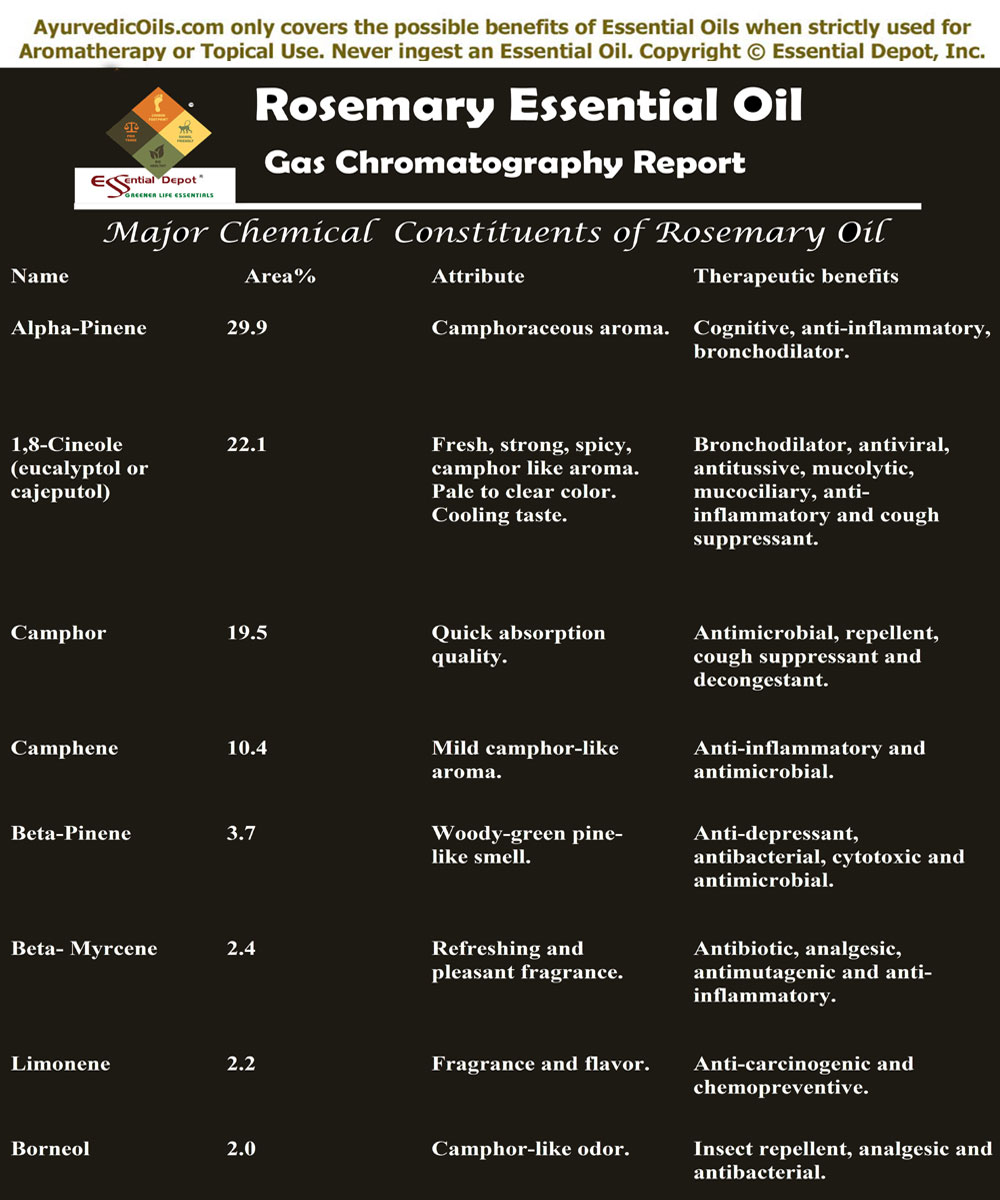
According to the Gas chromatography report, Rosemary oil constitutes of 8 major chemical components that contribute to its unique fragrance, therapeutic properties and quality.

Just click on:

For learning more about the exclusive information of these chief constituents of Rosemary oil.

The table below on the Gas Chromatography report talks about the principal chemical constituents and its role in granting the remedial values and other attributes to Rosemary oil.Rosemary-OilAyurvedic health benefits of Rosemary essential oil:

Known as Rusmari, Ayurvedic medicine celebrates Rosemary essential oil as one of the standard inhalations for treating respiratory disorders, sinusitis and gall bladder problems. Rosemary is one among those few essential oils that must be in everyone’s medicine cabinet according to the trusted Ayurvedic book, Ayurveda and Aromatherapy.

Ayurveda adores nature’s innate beauty and trusts human beings to be a vital part of nature. The simplicity of this mythological science lies in its easily understandable classification of the 3 energy elements known as doshas (vata, pitta and kapha) that construct a human’s physical and mental set-up.

The imbalance of any one of these doshas is said to cause illnesses indicating that the body is out of poise with nature. Ayurveda categorizes Rosemary essential oil as a rich herbaceous oil with drying and heating energies and can effectively reduce excess vata and kapha while treating pitta deficiency.

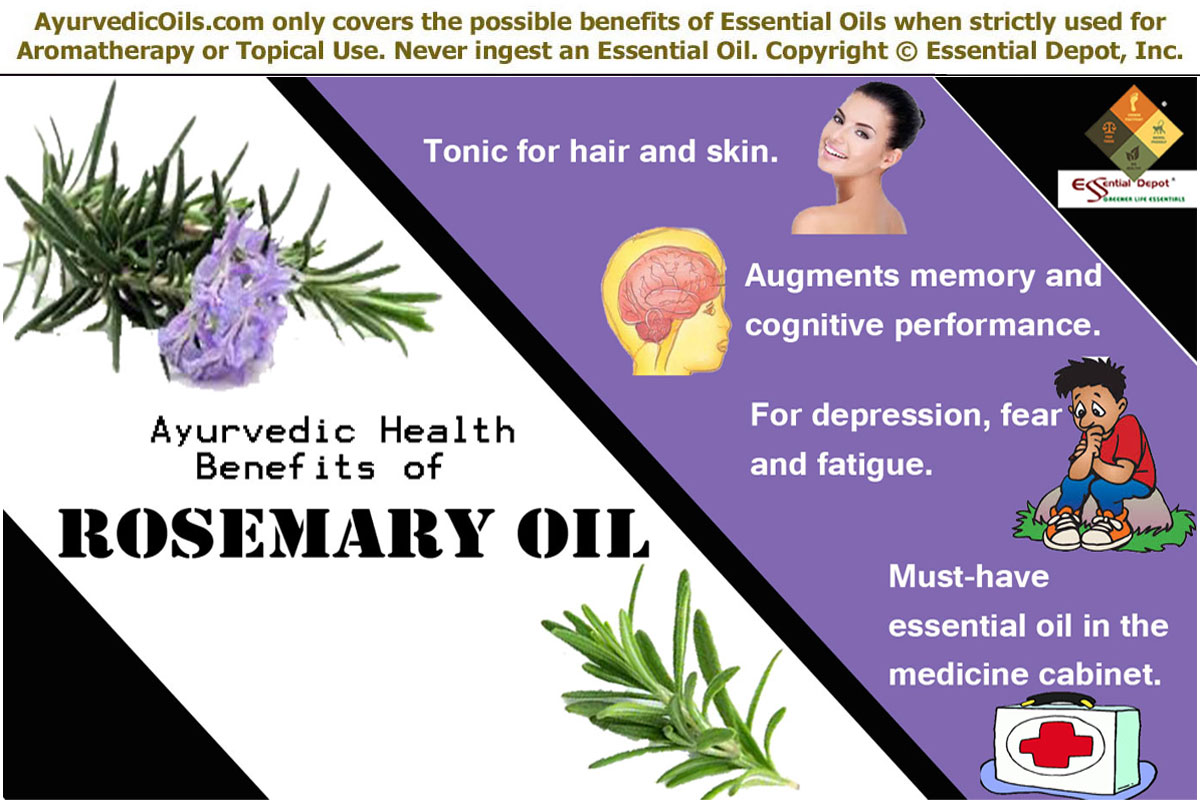
The well-known Ayurvedic health benefits of Rosemary essential oil are:Rosemary-broucher

1. Tonic for hair and skin:

Rosemary essential oil is an excellent tonic, stimulant, calmative and relaxant. It is known to ease stress, enhance blood circulation, nourish and cleanse the scalp, stimulate hair follicles and promote hair growth naturally. Regular massaging of the scalp with 2 to 3 drops of Rosemary essential oil blended with Almond oil can help in strengthening the roots, reduce premature graying, control loss of hair and lessen dandruff.

Rosemary oil is also a trusted moisturizer that foster scalp health while treating flaky and dry scalp. When used in combination with Sage oil, this oil is said to control the build-up of excess oil. For all these special factors, Rosemary essential oil is used in plenty of shampoos, conditioners and other hair care formulas.

The essential of Rosemary is a brilliant energizer for treating skin problems and its brilliance lies in its effectiveness of controlling the excessive production of sebum, which is responsible for acne, pimples and black heads. 2 drops of Rosemary essential oil added with 3 drops of Orange essential oil have been proved effective in treating cellulite, the most annoying skin problem especially in post-pubertal females.

This oil is known to relieve swelling, congestion and puffiness. Used as massage oil or bath oil, Rosemary essential oil can aid in the treatment of eczema, acne, stretch marks, skin eruptions, scars, wrinkles and dermatitis.

2. Augments memory and cognitive performance:

Numerous studies have witnessed the efficacy of the influencing aroma of Rosemary herb and its essential oil in enhancing memory skills.

This instinctive fragrance has been medicinally associated with memory and overall health since the primeval times. Dr. Mark Moss in one of his studies proved that “the presence of the chemical compound 1, 8-cineole boosts the chemical brain systems behind cognitive performance when absorbed into the bloodstream of healthy adults.

Northumbria University’s psychology researchers have demonstrated their findings stating that memory impairments that affect day to day living and acts as a cause of concern for prospective memory can be handled easily with Rosemary herb.

A 2003 research on ‘Aromas of rosemary and lavender essential oils differentially affect cognition and mood in healthy adults’ published in PubMed proved that the olfactory properties of the essential oil of Rosemary created a notable improvement of performance for overall memory quality and other secondary factors of memory.

This study also demonstrated that “these essential oils can produce objective effects on cognitive performance, as well as subjective effects on mood”.

Adding 2 to 3 drops of Rosemary essential oil to burners, vaporizers, diffusers or to your handkerchief can aid in stimulating the functions of the brain, encouraging clarity of thought, enhancing memory power, granting mental awareness and strengthening the central nervous system.

You can also go for a quick meditation of just 5 minutes every morning with the intense aroma of Rosemary essential oil around you to calm your mind, enliven your spiritual power and free your mind from all kinds of mental qualms.

Next time when you prepare for your examination, add 2 drops of Rosemary essential oil to any of the above mentioned things and 2 drops to your handkerchief on the day of your examination. It is said that the invigorating aroma of Rosemary essential oil helps in remembering all that you’ve studied with encompassing your atmosphere with the same fragrance.

3. For depression, fear and fatigue:

Rosemary essential oil is not only known to boost the brain power but is also recognized for instilling positive feelings. The stimulating and anti-depressant properties of this oil checks stress related disorders, nervous exhaustion, depression, fear, fatigue and anxiety. When added to your warm bathing water, Rosemary oil acts as a classic relaxant and treats physical weariness, wards off lethargic attitude, backs up mood fluctuations and help increase productivity.

4. Must-have essential oil in the medicine cabinet:

Bryan Miller and Light Miller in their book ‘Ayurveda and Aromatherapy’ say that Rosemary essential oil is a must-have essential oil in everyone’s medicine cabinet.

With remarkable therapeutic properties like analgesic, nervine, carminative, cephalic, cardiac, emmenagogue, diuretic, hypertensive, stimulant, tonic, rubefacient, astringent, cholagogue and antidepressant, Rosemary essential oil can heal a number of illnesses including dental problems, respiratory disorders, pain, inflammation, urinary problems, gastrointestinal troubles and weak immune system.

2 drops of Rosemary essential oil added to a warm cup of water as a gargle can help you keep away from bad breath, plaque, weak gums and other oral problems. This is due to the antimicrobial activity of this oil that fights against Gram-positive bacteria, Gram-negative bacteria, fungi and other micro organisms.

Adding 2 to 3 drops of this oil in vapor therapy or in warm bath can assist you in treating sinusitis, headaches, migraine pain, cough, bronchitis, mucus congestion and common cold.

Blending few drops of Rosemary essential oil with soothing carrier oils like Sesame oil or Coconut oil can support in dealing with rheumatic pain, arthritis, muscular spasms, menstrual cramps, back pain, constipation and stiff neck.

Massaging with this reviving essential oil promotes blood circulation, treats blocked menstruation, boosts immune power and supports overall health condition.

Disclaimer:

This information is only for your reference and is not meant to substitute any prescription drugs or consultation of your healthcare professional. Consult your Ayurvedic practitioner for expert advice based on your specific health conditions and individual constitution. Avoid using essential oils directly on your skin and taking it internally. Keep away from children and is not suitable for pregnant women and people with high blood pressure and epilepsy.

The MSDS (Material Safety Data Sheet) of Rosemary oil is readily available for your enhanced safety and better usage.

Gas Chromatography Report of Rosemary oil

Thought for the day:

“There’s rosemary, that’s for remembrance: pray, love, remember”    – An excerpt from Hamlet by Shakespeare.

Suggested Reading:

  1. Rosemary Oil – An In-Depth Look at its Potentially Amazing Benefits by Karen Jean Gaskell
  2. How to Use Rosemary Essential Oil (Aromatherapy) by Miriam Kinai
  3. HEALING POWERS OF ROSEMARY OIL (The Aromatherapy Professional: Healing with Essential Oils) by KG Stiles
  4. 30 Ways to Use Rosemary (X-Ways to) By Evelyn

Reference Links:

  1. Rosemary boosts brain power! By Robert Tisserand
  2. Rosemary Oil Health Benefit: Smell Boosts Prospective Memory by Medical Daily
  3. Aromas of rosemary and lavender essential oils differentially affect cognition and mood in healthy adults published in PubMed
  4. Traditional Uses Of Rosemary by Natural Standard, The Authority on Integrative Medicine

Basil Oil

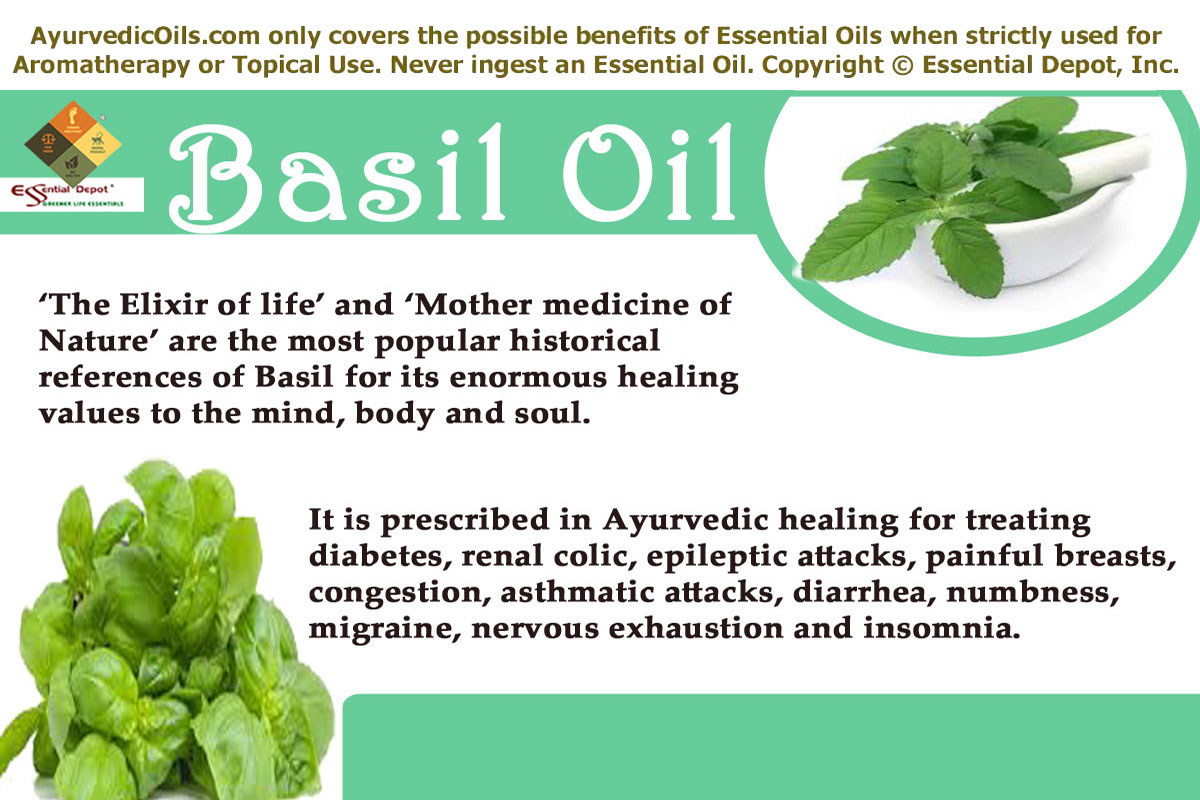
‘The Elixir of life’ and ‘Mother medicine of Nature’ are the most popular historical references of Basil for its enormous healing values to the mind, body and soul.

Basil-oil-bannerIt has marked its presence significantly in various medicinal systems in the world including Ayurveda and Homeopathy for treating diabetes, renal colic, epileptic attacks, painful breasts, congestion, asthmatic attacks, diarrhea, numbness, migraine, nervous exhaustion and insomnia.

Scientifically known as Ocimum canum, Basil is a member of the mint family Lamiaceae. This traditional medicinal herb is widely distributed in India, especially Tamil Nadu and is called as Nai Tulasi in Tamil. Besides numerous therapeutic properties, the most noteworthy remedial effects of Basil and its essential oil are its functions as a cancer chemoprotective agent and anti-diabetic agent for reducing blood glucose levels in type 2 diabetes.

Historical uses and importance of Basil oil:

Basil is said to have its origin in India, the land of rich traditional values. The healing, culinary and aromatic attributes of this sweet-smelling plant have been talked about in many classical herbal writings including Charaka Samhita (ancient Ayurvedic text) and the works of renowned herbalists like Dioscorides, Gerard, Culpeper and Parkinson.

Parkinson has quoted that Basil’s scent “fit for a King’s house”, denoting its royal aroma and has also said that Basil can be used “to procure a cheerful and merry heart.” Gerard and Culpeper has mentioned that Basil is an excellent remedy for melancholy and is a natural antidote for insect bites including scorpion stings, mosquito bites and bee stings.

The word ‘Ocimum’ (generic name) is derived from the Greek word ‘okimon’, which means smell. This indicates one among those reasons behind the unforgettable fragrance of the Basil variety. Basil plays a vital role in various religious practices across the world, where it has been considered as a sacred herb in Hinduism and said to have grown at the place of Christ’s crucifixion.

Basil plant has also been associated as a symbol of love, protection, courtship, truthfulness, courtship, death and luck. This plant has been a significant part of various religious ceremonies, where the smoke from burning this herb is said to calm the mind and augment the spiritual power.

Ocimum canum has been used in the traditional medicine for treating oral problems, fever, insect bites, constipation, parasitic infestations, cold, inflammation, headache, joint pain and dysentery. This plant was burnt in the homes as incense and for protecting from insects. Basil leaves were also used to guard the crops post harvesting from the damages of insects.

This herb is much remembered in various traditions across the world in the treatment of type 2 diabetes. Basil and its essential oil are also used as a flavoring agent in soft drinks, shampoos, cuisines, body lotions, teas, candies, dairy products, toothpastes and cosmetics.

Therapeutic properties and chemical constituents of Basil essential oil:

The essential oil of Basil has about 36 chemical components and is a rich source of camphor, eugenol, β-caryophyllene, a-pinene, limonene, myrcene, camphene, naphthalene, caryophyllene and valencene.

These components contribute to its therapeutic properties like antiemetic, anti-stress, antiviral, antibacterial, rubefacient, antidiabetic, antiasthmatic, antimicrobial, anticancer, insecticide, anti-fertility, anti-fungal, anti-malarial, antioxidant, expectorant, analgesic, antispasmodic, anti-inflammatory and antiseptic.

Ayurvedic health benefits of Basil essential oil:

Ayurveda is a complete medicinal practice which stands on the three pillars of health, including physical, mental and a hearty soul. For attaining this holistic healing, Ayurveda focuses on treating the root cause of an illness instead of treating the symptoms. This aids in curing the sickness initially and preventing it in the future as well.

The principle of Ayurveda strongly believes that every individual is a unique part of nature with a unique individual constitution, which consists of three dynamic energies called as doshas. They are vata, pitta and kapha. These doshas are a representation of the five fundamentals elements of nature. They are water, fire, earth, space and air.

Vata dosha is an arrangement of air and space and is in charge for circulatory, respiratory, and nervous functions of the system. Pitta energy is a combination of fire and water and it takes care of body temperature and metabolic activities including digestion, absorption and elimination. Kapha is a representation of earth and water and is responsible for reproductive functions, movement of fluids and muscular development of the body.

Ayurvedic texts state that every person should be treated in a unique manner according to the predominance and balance between the 3 doshas. This doshic structure determines a human’s physique, character and behavioral attributes.

Imbalance between these doshas is said to happen based on an individual’s balance with nature, which is said to deviate depending on a person’s change in food habits, lifestyle changes, environmental factors and climatic conditions.

Doshic imbalances lead to illnesses and is best treated in Ayurvedic medicine by recommending natural remedies including herbs, essential oils, meditation, yoga, prayers, Pranayama or the art of balanced breathing, simple physical exercises, Abhyanga (Ayurvedic massaging), Ayurvedic routine, Panchakarma (Ayurvedic detoxification) techniques.

These remedies help in correcting the imbalance between these doshas and aid in healing the illness initially and preventing it in the future as well. Basil oil is said to reduce kapha dosha predominantly, pacify vata and enhance pitta dosha with its warming effect on the system.

Let’s look at the Ayurvedic health benefits of Basil essential oil based on its usage:

Basil-oil-broucher1. Benefits as a bathing or massaging oil:

Abhyanga or the art of Ayurvedic massaging is an ancient healing technique and is one among the friendliest remedy for treating various medical conditions.  Massaging in Ayurveda means the use of palms, elbows, feet and other conventional massaging tools and equipments for maneuvering nerves, muscles and the whole body.

Ayurveda prescribes the use of Ayurvedic essential oils in massaging technique after analyzing the individual constitution and the state of health. By this way, the medicinal properties of the essential oils pass on to the blood stream and then to the skin, where it transforms the respective health benefits to the related parts of the system.

The largest organ of the human body is skin. Using Ayurvedic essential oils in topical application, aids in passing on the healing values to the system by penetrating through the skin cells. This traditional massaging technique helps in enhancing the blood circulation and augments the red blood cells count.

Massaging your system with 10 drops of Basil oil blended with 5 drops of Clove oil, 5 drops of Lavender oil and 5 drops of Lime oil along with 15 ml of coconut oil can assist in treating respiratory infections, skin problems, diabetes, high levels of cholesterol, headache, arthritis, rheumatism, dandruff, kidney stones, urinary infections and digestive disorders like indigestion, heartburn, vomiting and other stomach disorders.

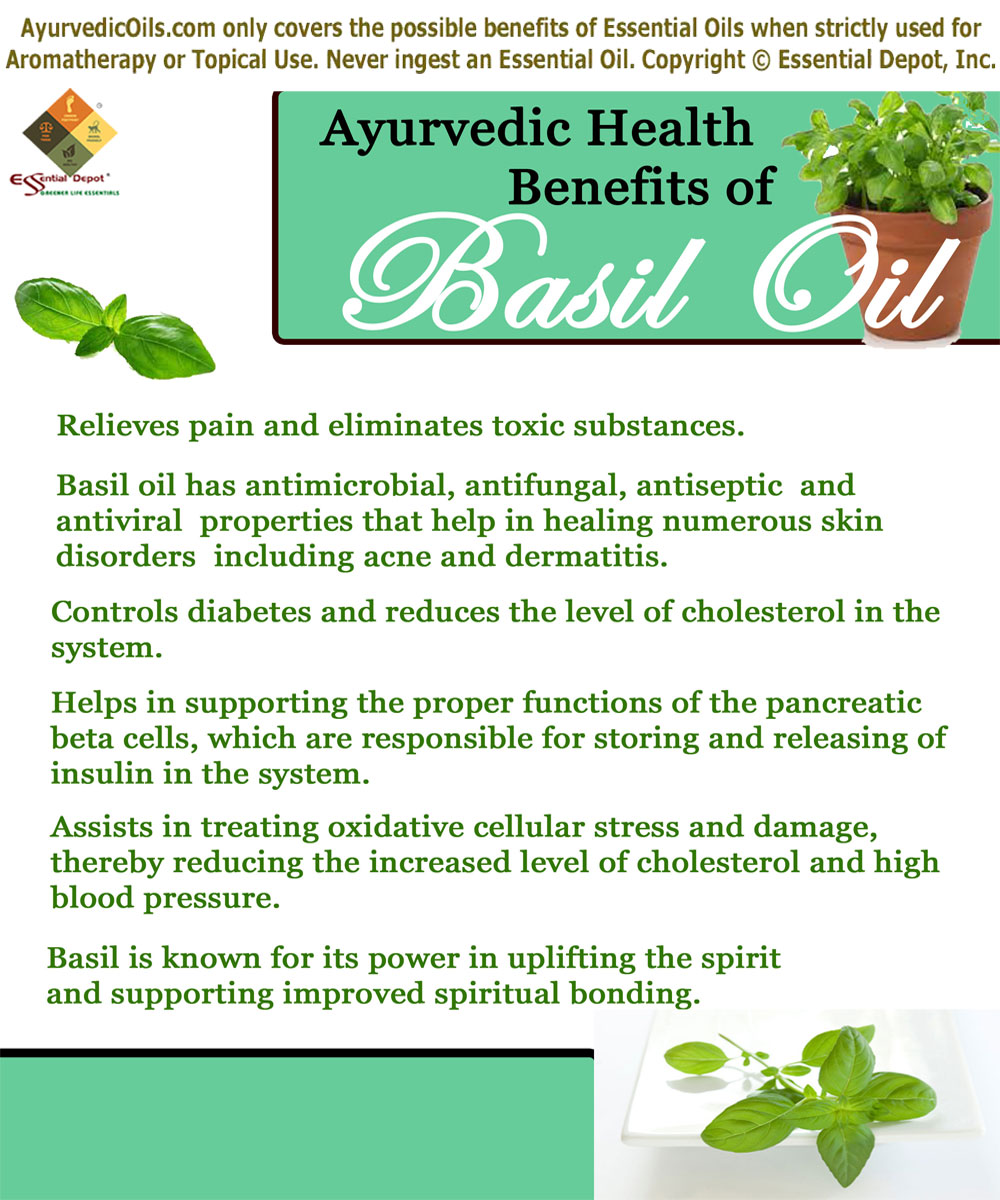
a) Relieves pain and eliminates toxic substances:

Basil essential oil has detoxifying, diuretic, antioxidant and analgesic properties that help in discarding toxic remains from the system by promoting frequent urination. This also aids in reducing the level of uric acid and salt deposits, which may otherwise lead to the formation of kidney stones.

Improper blood circulation, stagnation of water deposits and amassing of toxic remains or ama (left due to indigestion) are the major causes for rheumatic conditions, arthritis and pain leading to stiff joints, inflammation, painful muscles, soreness, redness, irritation, fatigue and difficulties in performing routine tasks.

Gently massaging the painful and affected parts with this Ayurvedic massaging blend can be of great assistance in reducing inflammation, redness, irritation, pain and it also supports in promoting blood circulation in the painful areas. The therapeutic values of Basil oil along with other Ayurvedic oils in this massage blend promotes the frequency and quality of urination through which the toxic remains in the system are eliminated.

Homeopathy medication prescribes the use of Ocimum canum in the treatment of diseases associated with the kidneys, urethra and bladder. The most common health disorders treated with Basil in Homeopathic medicine are cramps and pain in kidneys and ureters, urinary problems like formation of high acidity or spike crystals of uric acid, renal colic, swelling and other symptoms of renal calculus.

b) Skin disorders and hair problems:

The essential oil of Basil has antimicrobial, antifungal, antiseptic and antiviral properties that help in healing numerous skin disorders including acne and dermatitis. 3 drops of Basil oil blended with 3 drops of Lavender oil and 3 ml of coconut oil can be applied on acne, marks, ringworm, eczema, athletes’ foot, leucoderma, itches and insect bites for improved results.

Basil oil also helps in clearing away skin blemishes and marks left behind by acne and wounds. Fresh juice extracted from Basil leaves mixed with honey is a traditional remedy for treating acne in Ayurveda. With its antifungal properties, Basil oil is said to be an excellent remedy for clearing dandruff, hair fall, dry and itchy scalp conditions.

A 2012 study on Antifungal activity of Ocimum canum Essential oil against Toxinogenic Fungi isolated from Peanut Seeds in post-harvest in Benin, published in the International Research Journal of Biological Sciences, concluded that the essential oil of Basil is used as an antifungal agent in protecting peanuts post harvest in Benin against the toxic strains of fungi like Aspergillus parasiticus and Aspergillus flavus.

This study justifies the use of the Basil leaves in the traditional medicine for treating numerous ailments and also reports “the essential oil of fresh leaves of O. canum as aflatoxin inhibitor and fungal growth suppressor. Based on these potentials, essential oil of Ocimum canum may be recommended as preservative of stored food commodities from fungal and aflatoxin contamination in storage system.”

Slightly heat 5 drops of Basil oil with 5 drops of Rosemary oil, 3 drops of Ylang Ylang oil and 3 drops of Lemon oil along with 10 ml of sesame oil and massage it soothingly on your scalp. Leave this blend to rest on your scalp for 30 minutes. Wash your hair with a mild shampoo blended with 1 drop of Basil oil and 1 drop of Lavender oil for treating dandruff, rough hair and split ends. This also aids in controlling hair fall and supports shiny, lustrous and thick hair.

c) Controls diabetes and reduces the level of cholesterol in the system:

Just like Clove oil, Basil oil is also a rich source of eugenol, caryophyllene and methyl eugenol. The high level of antioxidants along with these chemical constituents helps in supporting the proper functions of the pancreatic beta cells. These cells are responsible for storing and releasing of insulin in the system.

Massaging your system with this medicated blend will be a great aid in increasing the sensitivity to insulin and can help in controlling the level of blood sugar and insulin. This also helps in treating oxidative cellular stress and damage, thereby reducing the increased level of cholesterol and high blood pressure. You can also add 1 drop of Basil oil and 1 drop of Clove oil in your bathing water daily for obtaining these benefits.

A 2002 study on “Extract of Ocimum canum lowers blood glucose and facilitates insulin release by isolated pancreatic beta-islet cells” by Nyarko AK, Asare-Anane H, Ofosuhene M, Addy ME, Noguchi Memorial Institute for Medical Research, University of Ghana, Legon studied the use of the aqueous extract of Ocimum canum in the traditional Ghanaian medicine for treating diabetes mellitus.

This study concluded that the use of Ocimum canum extracts on animal models “inhibited insulin secretion by the pancreatic beta-islet cells and fasting blood glucose levels and body weight decreased significantly.”

d) Reduces fever:

Basil oil is a known Ayurvedic remedy for treating fever, including viral and malarial fever. With its febrifuge, antibacterial, antifungal, insecticide and antimicrobial properties, Basil and its essential oil assists in reducing the body temperature even in cases of high fever.

Massaging your foot soles with 2 drops of Basil oil along with 2 drops of Coriander oil and 2 ml of coconut oil can help in reducing fever significantly as all the nerves in body end up in foot soles and passing the therapeutic properties of these essential oils through the foot soles grants instant relief.

2. In steam inhalation:

Basil essential oil has been proven for its remedial effects in reducing excess of kapha dosha, which is responsible for respiratory infections including flu, common cold, nasal congestion, sinusitis, bronchitis, chest congestion, whooping cough and breathing difficulties.

Adding 2 drops of Basil oil and 1 drop of Eucalyptus oil in steam inhalation can help in relieving cold, cough, nasal congestion, sinusitis, sore throat, watery eyes and difficulties in breathing due to excess of mucus and phlegm deposits in the nasal and bronchial passages.

3. In burners or vaporizers:

Aroma plays a significant role in the natural healing methodologies and is one among the five types of remedial measures in Ayurveda. The sense of smell in Ayurveda states that an encouraging, energizing and tranquilizing fragrance has a positive effect on the entire system. This is the major reason for the use of incense sticks, flowers and aromatic candles during prayers and other spiritual gatherings.

Basil essential oil owns a warm, sweet, herbaceous and invigorating aroma that implants an encouraging effect on the plasma, nervous system and the circulatory system. When inhaled the therapeutic properties of this oil reach the limbic system of the brain through the nasal passages. Limbic system is the control center of the human brain that controls the feelings, emotions and attributes of a person.

2 drops of Basil oil with 1 drop of Neroli oil and 1 drop of Clary Sage oil added to the burner, diffuser, aromatic candle or vaporizer during meditation or Pranayama can assist in treating anxiety, mood fluctuations, stress, fatigue, nervous weaknesses and stressful conditions. This also assists in enhancing memory power, concentration, sexual interest, self-confidence and spiritual oneness.

Being a sacred oil, Basil is known for its power in uplifting the spirit and supporting improved spiritual bonding. This also helps in expanding the heart chakra, which is responsible for self-confidence, self-love, self-respect and love for others. Inhaling the curative aroma of this oil is said to generate a soothing effect on the intestines and stomach and alleviates spasms and cramps.

4. In oral rinse and compresses:

Basil essential oil has antimicrobial and antibacterial properties that work as a protective shield against germs causing tooth decay, bad odor and gum problems.1 drop of Basil oil and 1 drop of Clove oil added to a cup of warm water can be used as an oral rinse for relieving plaque, tooth pain, bad breath and protecting from damaging germs and other micro-organisms. This gargle can also aid in strengthening the gums and lessening toothache due to sensitivity.

2 drops of Basil oil blended with 2 drops of Eucalyptus oil and 2 drops of Bergamot oil in warm or cold compress aids in relieving joint pain, headache, muscular spasms, arthritis, stomach ache, rheumatic pain and migraine.

5. Other uses:

Basil and its essential oil is also effective in the treatment of intestinal worms, indigestion, cancer (attributed to its antioxidant and cytotoxic activities), eye irritation, epileptic attacks, renal colic, vomiting, painful kidneys, epileptic convulsions, painful urination and weak immune system.

Disclaimer:

This article is meant only for the use of education and information. It is not in any way recommended for substituting prescription drugs or expert medical guidance. We are not professionals in healthcare and this information is shared purely based on the interest of spreading the fragrance of Ayurvedic healing, the world’s oldest medical system on earth.

Never use essential oils internally and make sure that you dilute essential oils before using it for external application. This is because 100 percent organic and pure essential oils are highly concentrated substances and may cause allergic reactions if used on the skin directly.

Talk with your Ayurvedic practitioner/ healthcare expert before selecting the most suitable essential oils for your prakriti or unique individual constitution and state of health. Please avoid using Basil oil if you have sensitive skin or during pregnancy.

Thought for the day:

By bringing nature into our lives, we invite humility.  -Richard Louv

Suggested Reading:

  1. Adaptogens: Herbs for Strength, Stamina, and Stress Relief by David Winston, Steven Maimes
  2. The Basil Supplement: Alternative Medicine for a Healthy Body (Health Collection) by William Wagner
  3. Basil Recipes: Cooking with the King of Herbs (Quick and Easy Series) by Dogwood Apps
  4. Essential Oils for Weight Loss: If You Are Not Using These Essential Oils You Are Missing Out On Weight Loss Success (Essential Oils for Beginners – … Need to Accomplish Your Weight Loss Goals) by Sophie Hart
  5. The Ayurveda Encyclopedia: Natural Secrets to Healing, Prevention, & Longevity by Swami Sadashiva Tirtha

Reference Links:

  1. Basil: An Herb Society of America Guide by the Herb Society
  2. Extract of Ocimum canum lowers blood glucose and facilitates insulin release by isolated pancreatic beta-islet cells by Nyarko AK, Asare-Anane H, Ofosuhene M, Addy ME, published in PubMed
  3. Antioxidant and cytotoxic activities of essential oil of Ocimum canum Sims. from India by Tamil Selvi, Thirugnanasampandan, Sundarammal published in the Journal of Saudi Chemical Society
  4. Antifungal activity of Ocimum canum Essential oil against Toxinogenic Fungi isolated from Peanut Seeds in post-harvest in Benin by Adjou Euloge S., Kouton Sandrine, Dahouenon-Ahous, Si Edwige, Sohounhloue Dominique C.K., Soumanou Mohamed M published in the International Research Journal of Biological Sciences